
 Food & beverage · Heavy duty
Urethane Cement
A cementitious-urethane hybrid installed at a thicker build than epoxy. Made for thermal shock, hot washdowns and constant moisture.
Explore
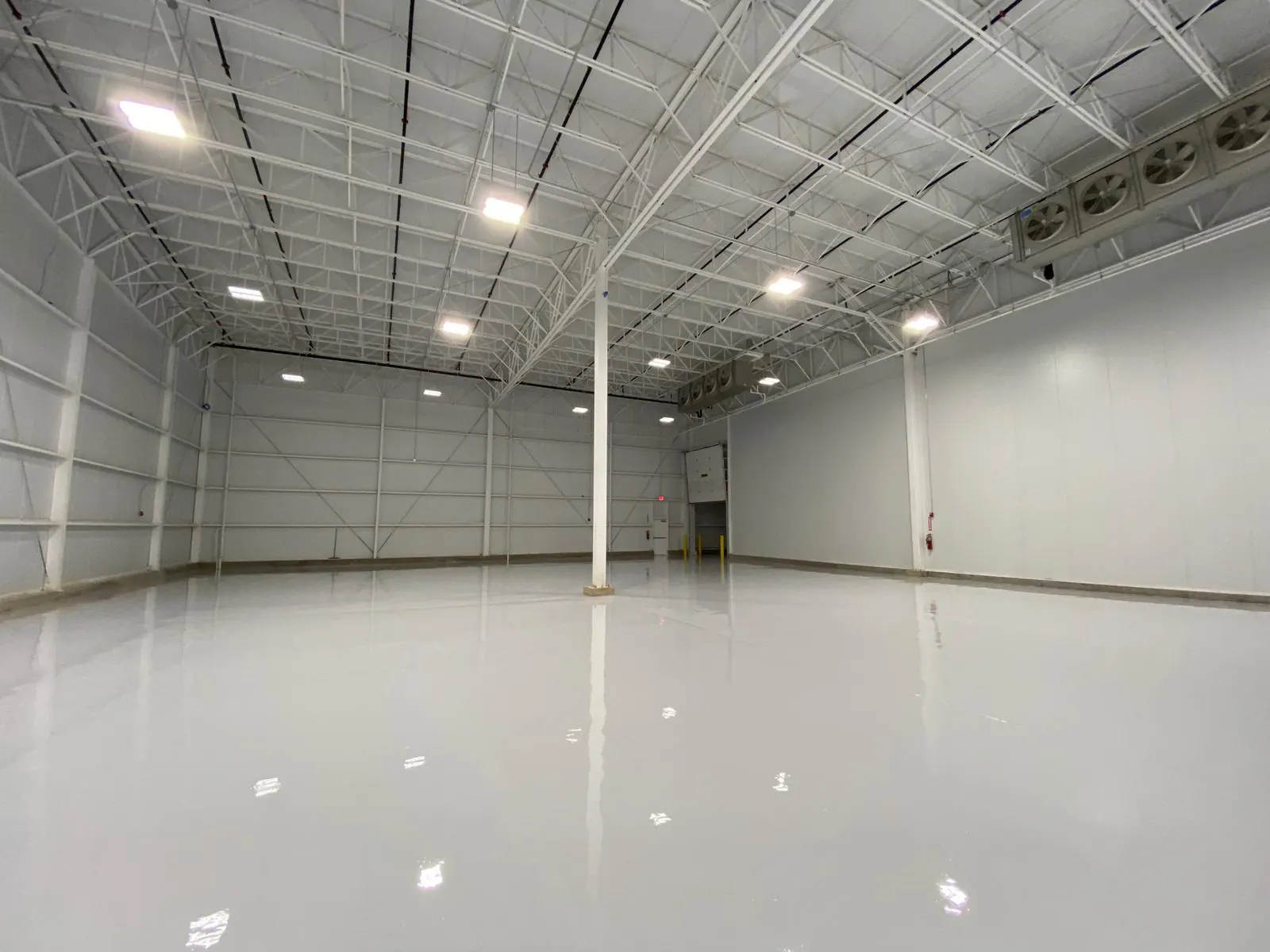
Produce warehouses, cold storage and distribution centers near the Pharr bridge. We coat around your shifts so trucks keep moving.
Pharr's produce and logistics buildings are hard on floors: forklifts all day, pallets dragged across the slab, cold rooms, washdowns and food-safety audits. We put down urethane cement where there's heat, cold or constant water, and the Neat System or polished concrete in dry storage and aisles.
At Inverafrut we coated the warehouse in phases so they never had to shut down. That's how we plan most commercial jobs here.
Food & beverage · Heavy dutyA cementitious-urethane hybrid installed at a thicker build than epoxy. Made for thermal shock, hot washdowns and constant moisture.
 Multi-layer · Solid color
Our standard 3-layer system: primer, epoxy flood coat and a pigmented polyaspartic topcoat in one solid color, no chips.
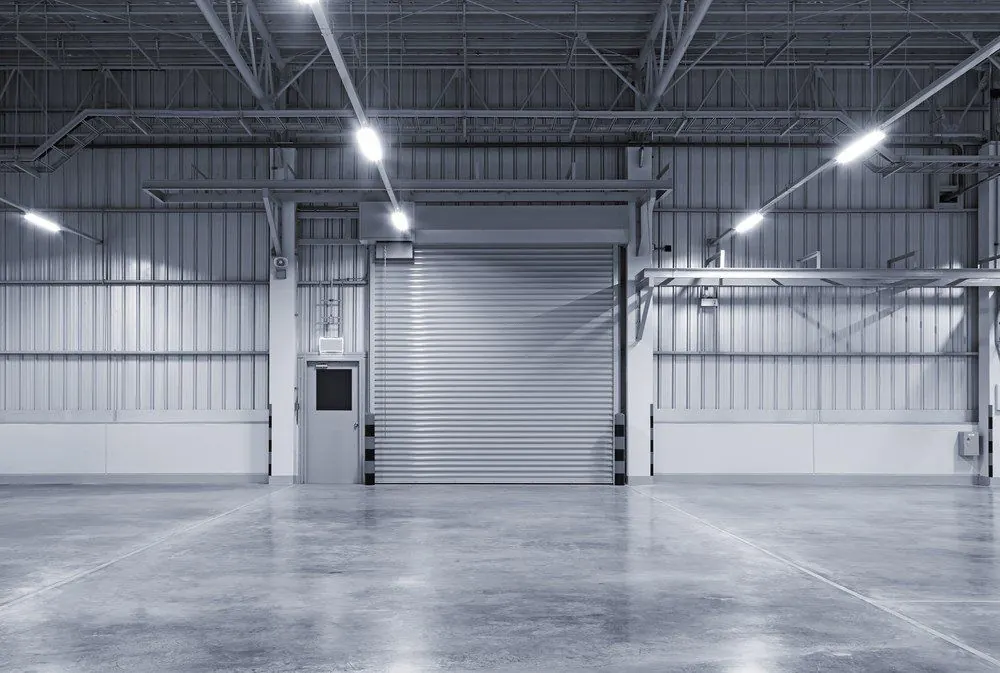 Grind · Densify · Polish
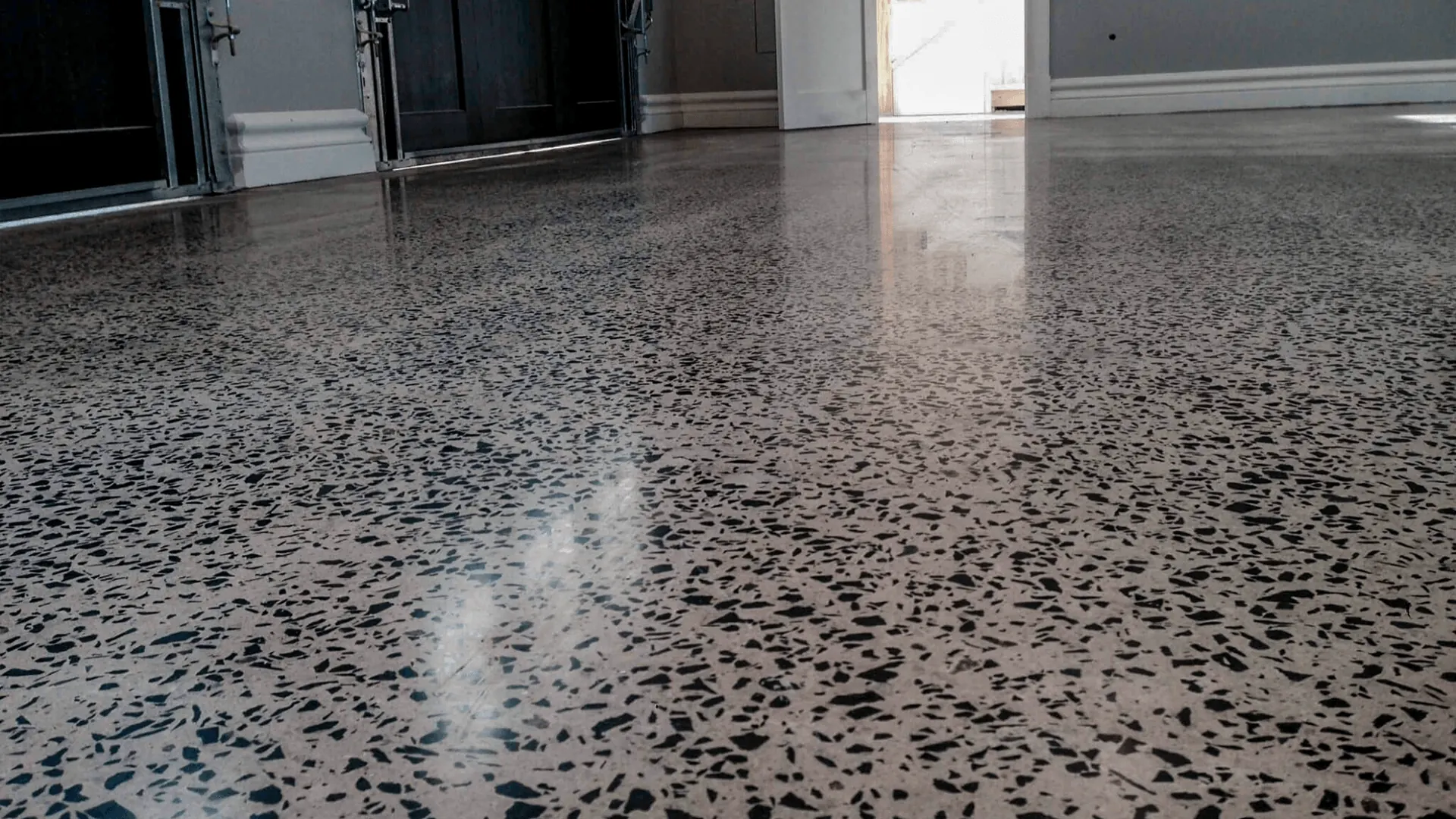
Your existing slab, mechanically refined from satin to high gloss. Nothing on top to peel.
 Static dissipative · Conductive
Static-dissipative or conductive epoxy, grounded to your building and resistance-tested after installation.
A two-car garage with a flake floor usually lands between $2,250–$4,050. Metallic floors and industrial systems cost more; polished concrete often costs less.
See the full cost guideYes. We section the building, work nights or weekends if needed, and use fast-cure products so areas go back into service quickly.
Urethane cement. It handles freezer temperatures and thermal shock from washdowns where regular epoxy would crack or debond.
Our food-plant systems are seamless and non-porous, suitable for USDA/FSIS-inspected facilities (documentation on request), with coved bases so there are no joints to trap bacteria.
We'll come out, look at the slab and give you a straight answer and a price. The estimate is free.

